

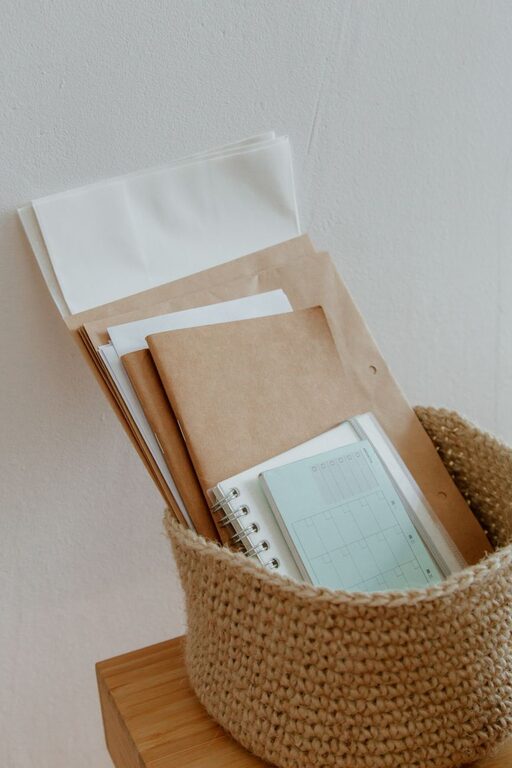
Paper clutter is one of the most common sources of household disorganization. Mail, bills, school papers, receipts, and various documents pile up quickly, creating stress and making it harder to find what you need. The good news is that reducing paper clutter is achievable with a few simple habits and systems. Whether you want to streamline your space or adopt a more minimalist lifestyle, these practical tips will help you take control of paper clutter and maintain a tidy home.
Why Reducing Paper Clutter Matters
Before diving into solutions, it’s helpful to understand why tackling paper clutter makes a difference. Excess paper can:
– Create visual chaos that affects your mood and focus
– Take up valuable space on counters, desks, and drawers
– Make it difficult to locate important documents when needed
– Increase the risk of losing bills or missing deadlines
– Lead to unnecessary waste if you hold onto papers you no longer need
By reducing paper clutter, you create a more peaceful environment, improve your productivity, and save time sorting through piles.
Easy Steps to Cut Down Paper Clutter
1. Set Up a Central Inbox
Designate a single spot for all incoming paper, such as mail and school handouts. This could be a basket, tray, or wall-mounted organizer near your entryway or kitchen. Having one place to collect paper keeps it from scattering around the house. Make it a habit to sort through this inbox daily or every few days.
2. Sort Immediately
As soon as you pick up paper from your inbox, sort it into categories:
– Action: Bills to pay, forms to fill out, invitations to RSVP
– Filing: Important documents to keep long-term, like warranties or insurance papers
– Recycling: Junk mail, expired coupons, and papers no longer needed
Sorting quickly prevents pileups and helps you avoid sorting through stacks later.
3. Go Digital When Possible
Many paper items can be replaced with digital versions. For example:
– Use electronic billing and statements
– Scan important documents and store them on your computer or cloud storage
– Switch to email newsletters instead of paper mail
– Take photos of receipts or warranty cards for digital recordkeeping
Digital files take up no physical space and are easier to organize and access.
4. Create a Simple Filing System
For papers you need to keep, create a straightforward filing system that works for your household. Use labeled folders or binders for categories like:
– Bills and receipts
– Medical records
– School and extracurricular
– Tax documents
– Personal identification
Keep your filing system in a convenient location, and regularly review it to remove outdated papers.
5. Use a “To Do” Folder or Tray
For papers requiring ongoing attention, such as bills or permission slips, have a designated “to do” folder or tray. This keeps these action items visible and top of mind without cluttering your main spaces.
6. Limit Paper at the Source
Reduce paper clutter by preventing it before it arrives:
– Unsubscribe from junk mail and catalogs you don’t read
– Opt out of unnecessary newsletters and promotional mail
– Request digital receipts at stores when possible
– Encourage schools or organizations to send digital updates
7. Regularly Purge Paper Clutter
Schedule a weekly or monthly session to go through your paper and recycle or shred anything that’s no longer needed. This consistent habit prevents buildup and keeps your system manageable.
8. Use Containers or Paper Organizers
Invest in containers like magazine files, desktop organizers, or accordion folders to keep your papers neat and accessible. These help contain clutter instead of letting papers spread across surfaces.
Tips for Maintaining a Clutter-Free Paper System
– Dedicate a few minutes daily: Spend just 5–10 minutes handling paper each day to stay ahead.
– Involve the family: Teach kids and other members to place papers in the inbox and sort their own documents.
– Review your filing system: Adjust folders and categories as your needs change to keep things simple.
– Combine related papers: Store related documents together, such as receipts with the corresponding warranty.
– Label everything clearly: Clear labels make it easier to find what you need quickly.
Final Thoughts
Reducing household paper clutter is not about eliminating all paper but about creating a system that works for you and your family. With intentional habits and easy-to-follow steps, you can transform your home into a more organized, efficient, and calming space. Start small by setting up a central inbox, sorting daily, and embracing digital options. Over time, these simple changes will add up to a big difference, making your home feel lighter and more enjoyable.
By maintaining your paper system regularly and staying mindful of new paper coming in, you can keep the clutter under control and enjoy a tidier, more peaceful home environment.