

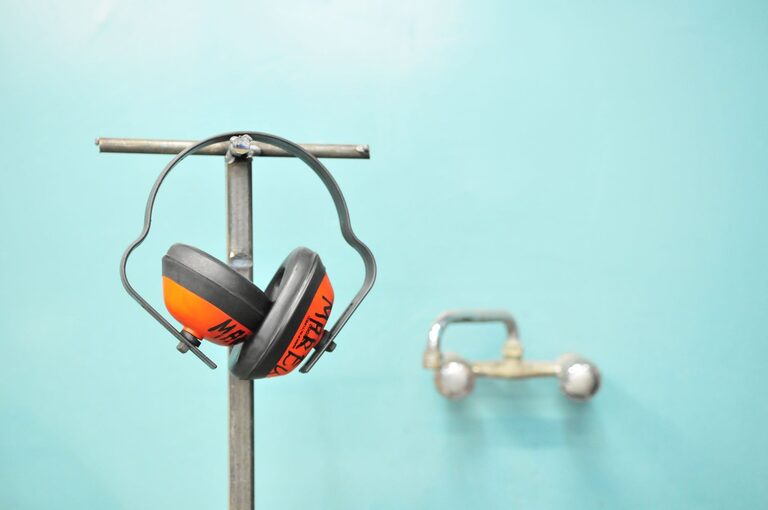
Creating a calm and quiet home environment is essential for relaxation, productivity, and overall well-being. Whether you live in a busy city, a noisy neighborhood, or simply want to reduce everyday sounds inside your home, there are practical ways to minimize noise. This guide will walk you through simple, affordable methods to reduce noise at home without major renovations.
Understanding the Sources of Noise
Before tackling noise reduction, it’s helpful to identify the common sources of unwanted sound in your home:
– Traffic and street noise
– Loud neighbors or shared walls
– Appliances like washing machines and vacuum cleaners
– HVAC systems and fans
– Footsteps and movement inside the house
– Echoes and reverberation within rooms
Once you pinpoint the main noise culprits, you can apply the most effective strategies to reduce their impact.
Simple Ways to Reduce Noise at Home
1. Use Soft Furnishings to Absorb Sound
Hard surfaces reflect sound waves, which can increase noise levels. Soft materials help absorb sound and prevent echoes.
– Add rugs or carpets on floors to soften footsteps and reduce noise bouncing.
– Use curtains made of thick fabric or layered drapes over windows and doors.
– Place upholstered furniture, cushions, and pillows around rooms to dampen sound.
– Consider fabric wall hangings or tapestries in rooms with bare walls.
2. Seal Gaps Around Doors and Windows
Noise often leaks through small gaps and cracks around doors and windows.
– Use weatherstripping tape or foam seals around door frames.
– Install door sweeps on the bottom of doors to block sound from hallways or outside.
– Apply caulk or sealant to fill gaps in window frames or cracks in walls.
– Consider heavy or double-pane windows that better block exterior noise.
3. Rearrange Furniture Strategically
Furniture placement can help create noise barriers inside your home.
– Move bookshelves and large furniture against shared walls to block sound from neighbors.
– Place sofas or armchairs near windows or noisy areas to absorb sound.
– Create room dividers with tall shelves or folding screens to separate noisy zones.
4. Add Soundproofing Materials in Key Areas
For more targeted noise control, you can add soundproofing products that absorb or block sound.
– Acoustic panels or foam tiles can be attached to walls or ceilings.
– Door and window inserts are designed to add an extra layer of soundproofing.
– Use thick rugs or mats in loud rooms like laundry or playrooms.
– Install cork or rubber flooring in noisy areas to absorb impact sound.
5. Use White Noise Machines or Soft Music
Sometimes masking unwanted noise with pleasant sounds can improve comfort.
– White noise machines produce consistent background sounds that cover up sudden noises.
– Fans or air purifiers can create a steady, low hum that reduces perception of outside noise.
– Playing calming music or nature sounds can make your space feel more peaceful.
6. Maintain Appliances and HVAC Systems
Noisy appliances can disrupt the quiet at home.
– Regularly clean and service HVAC units, washers, dryers, and fans.
– Place appliances on rubber mats to reduce vibration noise.
– Choose quieter models when replacing old appliances.
7. Create Quiet Zones
Designate certain areas in your home as quiet spaces by minimizing electronics and noise sources.
– Keep bedrooms and reading nooks away from busy rooms and windows.
– Use thick curtains and soft furnishings in these zones to promote calm.
– Encourage family members to use headphones or lower volumes for TVs and music.
Additional Tips for Noise Reduction
– Plant shrubs or trees outside to naturally reduce street noise.
– Use door locks and handles that close quietly to avoid slamming sounds.
– Educate household members about managing noise, especially during early morning or late evening hours.
When to Consider Professional Help
If noise remains a significant issue despite your efforts, consulting a soundproofing expert might be useful. They can assess your home and recommend structural improvements like adding insulation, soundproof drywall, or specialized window treatments.
Conclusion
Reducing noise at home doesn’t have to be expensive or complicated. By combining simple strategies like adding soft furnishings, sealing gaps, and rearranging furniture, you can enjoy a quieter and more comfortable living space. Start with small changes and gradually implement more solutions to find what works best for your home environment.
A peaceful home is within reach with these straightforward noise reduction tips!